Aviation Switching Module – NSN 4920-01-250-2696 (AS-IS / Untested): Aircraft Switching Equipment for Parts or Evaluation
Aviation Switching Module – NSN 4920-01-250-2696 (AS-IS / Untested): Aircraft Switching Equipment for Parts or Evaluation
Blog Article
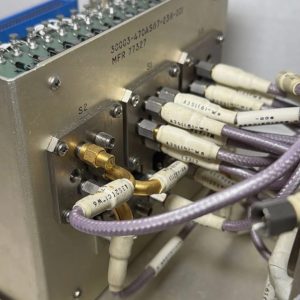
The Aviation Switching Module – NSN 4920-01-250-2696 (AS-IS / Untested) combines recognizable aviation hardware, an identifiable National Stock Number, potential electrical-control functionality, and commercial value for informed specialist buyers.
An Aircraft Switching Module and Aerospace Switching Module should be treated as specialized equipment rather than universal components that can be connected to any aircraft electrical system.
The Aircraft Electrical Switching Module may route selected circuits, while the Aviation Electrical Control Module, Aircraft Power Switching Module, Aerospace Electrical Control Unit, and Aircraft Signal Switching Module terms should not be interpreted as confirmed functions without documentation.
An Aircraft Switching Unit can support specialized signal or circuit management, but an Aerospace Power Distribution Module or Aviation Power Control Module may use different internal architecture and electrical requirements.
Overview of the Aviation Switching Module
NSN 4920-01-250-2696 should be compared with the data plate, manufacturer number, contract markings, serial number, connector layout, and available documentation on the actual unit.
Complete identification increases the value of the Aviation Switching Module for restoration, research, inventory management, or component evaluation.
Untested Switching Module Condition
AS-IS and untested means the module is offered without confirmation that it powers on, switches circuits, communicates with associated equipment, meets specifications, or performs its original function.
Improper voltage, polarity, grounding, current, signal input, or connector pin assignment can damage the module and connected equipment.
Aircraft Switching Module Applications
A module used with maintenance equipment may function differently from one installed onboard an aircraft.
Each visible feature should be photographed and described without assuming its electrical purpose.
Aerospace Switching Module Construction
Careful exterior evaluation can reveal evidence of previous use or damage before the unit is opened.
Protective caps should remain installed during storage and shipping when available.
Inspecting Aviation Module Wiring
An Aircraft Electrical Switching Module should be inspected for overheated areas, burned insulation, damaged terminals, loose hardware, corrosion, moisture entry, broken controls, and signs of previous disassembly.
The module should not be modified simply to produce a temporary power-on result.
Aircraft Electrical Control Applications
An Aviation Electrical Control Module can coordinate or select electrical functions within a compatible aviation or support-equipment system, depending on its documented design.
Control labels and switch legends can provide useful clues, but they should not be used as the only source of technical identification.
Choosing an Aircraft Power Switching Module
Controlled bench evaluation should be completed by personnel familiar Aerospace Switching Module with aerospace electrical hardware.
Power-input and output terminals should be checked for looseness, heat discoloration, corrosion, damaged insulation, and unsuitable previous repair.
Aerospace Module Troubleshooting
Troubleshooting requires a logical sequence based on technical information rather than random power application.
A common-looking relay, switch, resistor, connector, or wire may not be an acceptable substitute.
Signal Switching Module Inspection
The pinout and signal type should be confirmed before continuity or injection testing.
Missing or corroded bonding components may affect noise, interference, or reliability.
Choosing an Aviation Control Module
A module removed from its original system can be difficult to test without supporting equipment and documentation.
A matching NSN or housing does not always confirm identical internal configuration when modifications or supersessions exist.
Aircraft Test and Support Equipment
An Aircraft Switching Unit offered AS-IS may appeal to aviation workshops, military-equipment collectors, technical schools, restoration specialists, and organizations maintaining legacy support equipment.
Technical schools may use a de-energized module to demonstrate connector inspection, switch construction, equipment identification, documentation research, or safe troubleshooting planning.
Power Distribution Module Inspection
Power distribution equipment may use switches, relays, terminals, bus structures, circuit protection, and control interfaces depending on design.
Additional mounting holes should not be drilled until the component application is established.
Choosing an Aircraft Electrical Control Unit
The unit should be photographed before and after any preservation work.
Limited testing should not be described as complete serviceability verification.
Aviation Electrical Power Management
An Aviation Power Control Module can have specialized applications within aircraft systems, aerospace ground equipment, maintenance platforms, or test installations.
The equipment should remain disconnected and protected during storage.
Maintaining Aerospace Switching Equipment
A systems approach supports more accurate troubleshooting and restoration.
A replacement AS-IS unit may provide useful comparative parts but should not be installed without evaluation.
Shipping Aviation Electrical Modules
The unit should not be stacked beneath heavy equipment or left on conductive surfaces.
Loose accessories should be wrapped separately and inventoried before packaging.
Commercial Inspection of an Electrical Module
AS-IS equipment may offer attractive value when the purchaser has the knowledge and resources required for evaluation.
Transparent disclosure strengthens trust in an Aircraft Electrical Module transaction.
Untested Aviation Equipment Condition Checklist
A pre-purchase review should confirm the NSN, manufacturer, part number, serial number, markings, enclosure condition, connectors, switches, included accessories, storage history, modification status, and known application.
- Determine whether cables, plugs, manuals, test leads, mounting hardware, storage cases, or companion components are included.
- Inspect switches, knobs, indicators, connectors, pins, wiring, and terminals for damage, looseness, contamination, overheating, or unauthorized repair.
- Confirm the written invoice, AS-IS terms, payment protection, packaging method, shipping insurance, inspection period, and return conditions.
Aerospace Module Troubleshooting Process
Every connection should be documented before power is applied.
Initial evaluation may include mechanical switch checks, continuity testing, insulation inspection, resistance measurements, and examination for shorts or damaged components.
Aircraft Electrical Module Repair Planning
Temporary substitutions should not become undocumented permanent repairs.
Every repair should record the date, technician, fault found, parts replaced, measurements, testing performed, and remaining limitations.
Choosing the Aviation Switching Module – NSN 4920-01-250-2696 (AS-IS / Untested)
When responsibly inspected, stored, tested, repaired, and documented, the Aviation Switching Module – NSN 4920-01-250-2696 (AS-IS / Untested) can remain a valuable aerospace electrical component.
Buyers should request detailed photographs, accurate AS-IS disclosures, technical research, secure transaction terms, protective shipping, and qualified evaluation where appropriate.
Whether buyers need an Aircraft Power Switching Module, Aerospace Electrical Control Unit, Aircraft Signal Switching Module, or Aviation Control Module, electrical specifications should be verified before testing.
With transparent condition reporting, secure shipping, controlled testing, appropriate repair methods, and accurate records, the unit can support a professional aerospace project.
Report this page